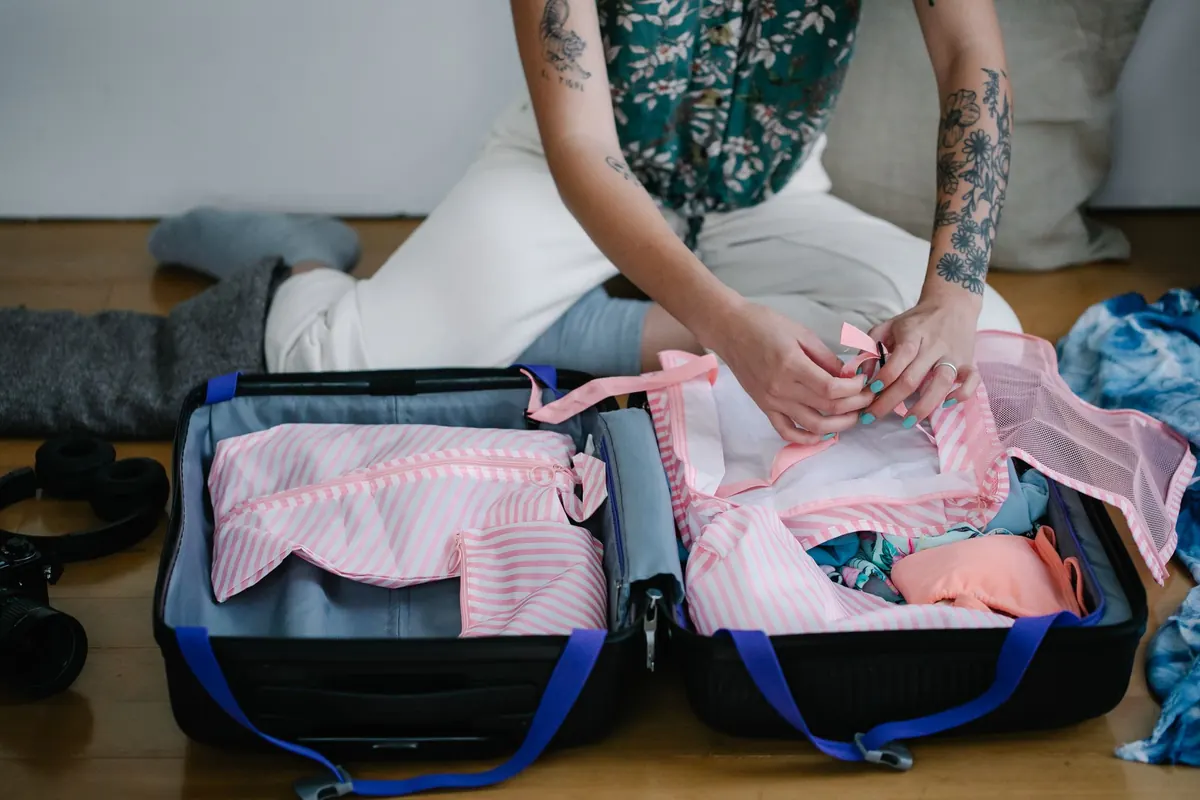
Packing for ten days in one climate is a puzzle. Packing for ten days across two or three climates in a single carry-on is the kind of puzzle that sends people straight to the checked-bag counter. It doesn't have to be. Cold mornings, warm afternoons, rain, and one dinner that calls for something better than hiking clothes can all fit in a bag that goes in the overhead bin — if you choose pieces that work together and accept that you'll do laundry once.
The strategy below is the one that actually holds up in practice: layer instead of pack for every scenario, keep the clothing count low, and fill the saved space with the few things that make a long trip comfortable.
Start With the Airline's Numbers, Not the Weather
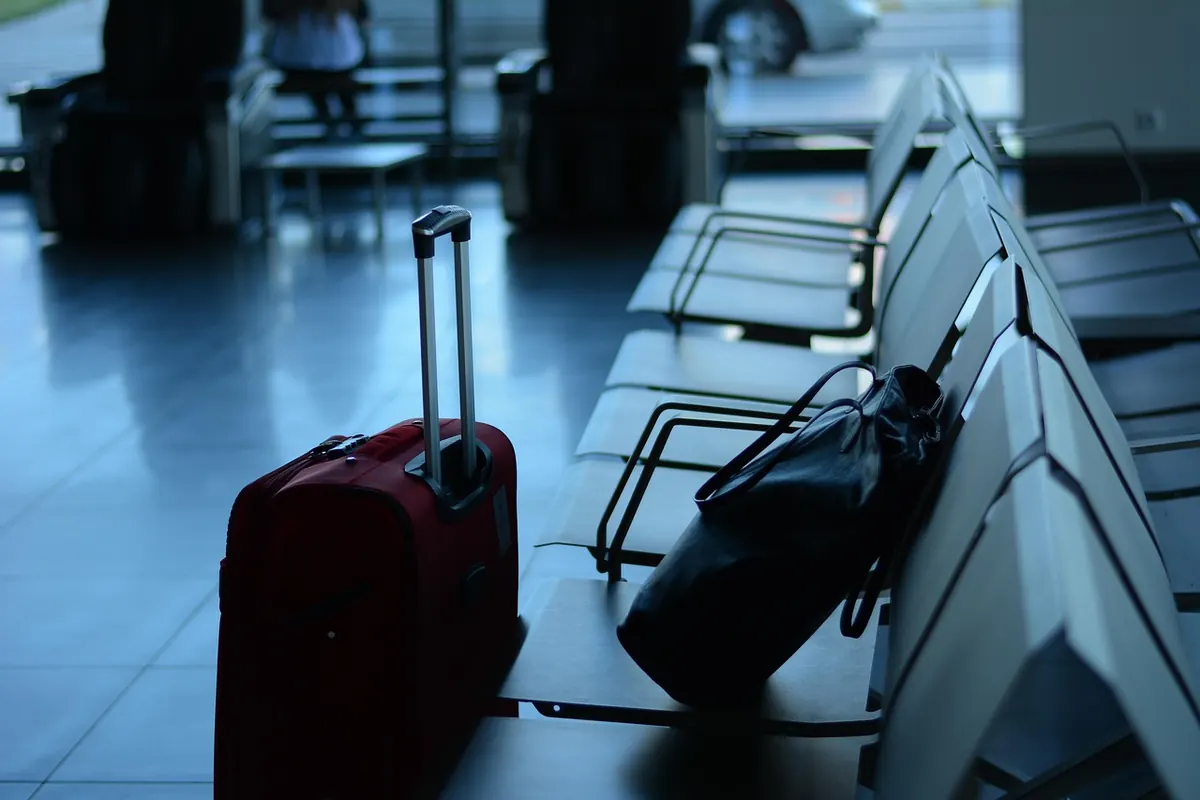
Before a single sock goes in, check the carry-on limits for every airline on your itinerary. Most allow roughly 22 x 14 x 9 inches (55 x 40 x 20 centimeters), but budget carriers are often smaller, and some weigh bags at the gate with limits around 7 to 10 kilograms. Those numbers decide your bag, not your packing style.
Two habits save you at the airport. Weigh the packed bag on a bathroom scale before you leave, and treat your personal item as real luggage — a tote or small backpack holding your laptop, chargers, medication, and one change of clothes. If your carry-on gets gate-checked, you still have what matters.
The Three-Layer System Does the Heavy Lifting
Mixed climates are not a packing problem, they're a layering problem. Three layers cover a huge temperature range, and you wear a different combination of the same garments depending on the day.
Base layer
Two or three thin merino or synthetic t-shirts. They wick, dry overnight, and don't hold odor the way cotton does. This is the layer that touches your skin in both cold and warm weather.
Mid layer
One fleece, merino sweater, or light down jacket. This is your warmth dial. A packable down piece squashes to the size of a water bottle and adds serious heat on a cold morning.
Shell
A lightweight waterproof, windproof jacket. It handles rain, blocks wind on a chilly ferry deck, and doubles as a light outer layer over a t-shirt in mild weather.
Warm-weather set
One pair of shorts, one or two lighter shirts, and a pair of sandals or flats. That's enough for the warm half of the trip if you're washing as you go.
The test for every item: can I wear it at least three ways, and will it dry overnight? If the answer is no to either, it stays home.
The Printable Checklist
Clothing
- 3 base-layer tops (merino or synthetic)
- 2 lighter shirts or tanks for warm days
- 1 mid layer (fleece, sweater, or packable down jacket)
- 1 waterproof shell
- 2 pairs of trousers: one warm, one light and quick-drying
- 1 pair of shorts
- 1 slightly dressier top for evenings
- 5 to 7 pairs of underwear and merino socks
- 1 swimsuit (works as a spare layer or shorts in a pinch)
- Hat, thin gloves, and a scarf if cold weather is possible
- 1 pair of broken-in walking shoes, 1 packable sandal or flat
Toiletries
- Liquids decanted into 100 ml / 3.4 oz bottles, all inside one clear quart bag
- Solid alternatives: shampoo bar, deodorant stick, toothpaste tablets
- Toothbrush, razor, small sunscreen, lip balm
- Basic painkillers, blister plasters, any prescription medication in original packaging
Tech and documents
- Phone, charger, universal adapter, power bank
- E-reader or one paperback, headphones
- Passport, boarding passes, insurance details — paper copy plus a photo on your phone
- Small folding daypack or tote for day trips
Extras that earn their space
- Laundry sheets or a small bottle of travel detergent
- Travel clothesline or a few elastic washing lines
- Reusable water bottle, a few zip-top bags, one dry bag
- Snacks for travel days
If you take regular medication or have a health condition, check the rules for carrying it across borders and speak to your pharmacist or doctor before you travel rather than guessing at the airport.
Packing Order and the Weight Rule
Heavy items go low and close to your body — near the bottom of a roller bag, or against your back in a backpack. That keeps the bag balanced and easier to lift into an overhead bin.
Roll knits and t-shirts to save space and reduce creasing; fold anything structured, like a collared shirt, flat on top. Push socks and underwear inside shoes, and put shoes in bags or shower caps so soles don't touch fabric. A compression cube around your down jacket will free up a third of the bag.
On travel day, wear your bulkiest items: the jacket, the heavier trousers, the walking shoes. That's not cheating, it's planning.
Plan for Laundry From Day Four
Ten days of clothing in one bag only works if you wash. Pick an evening around day three or four, wash your base layers, socks, and underwear in a sink with a little detergent, then roll them in a towel and press to remove water before hanging. Merino and synthetics are usually dry by morning.
Do this twice and you've effectively doubled your wardrobe. It also means you can pack fewer, better items instead of ten of everything. Hotel sinks, hostel basins, and even a large zip-top bag all work fine.
What to Leave at Home
- The third pair of shoes. Two is the limit, plus what you wear.
- Full-size toiletries and a bulky towel, unless your accommodation has none.
- More than one dressy outfit.
- Cotton jeans if rain is likely — heavy, slow to dry, and hard to wash.
- Guidebooks you can download, and the "just in case" items you've never once used.
The Night Before You Leave
Lay everything out, pack the bag, then carry it around the block and weigh it. If it's over the limit or uncomfortable on your shoulder, something comes out — and it's easier to decide now than at the check-in desk. Tuck the checklist into the front pocket so repacking on the way home takes five minutes.
One bag, two climates, ten days. The trick isn't a bigger bag. It's fewer pieces that layer well, a laundry evening in the middle, and the discipline to leave the rest behind.
Photo: Timur Weber / Pexels