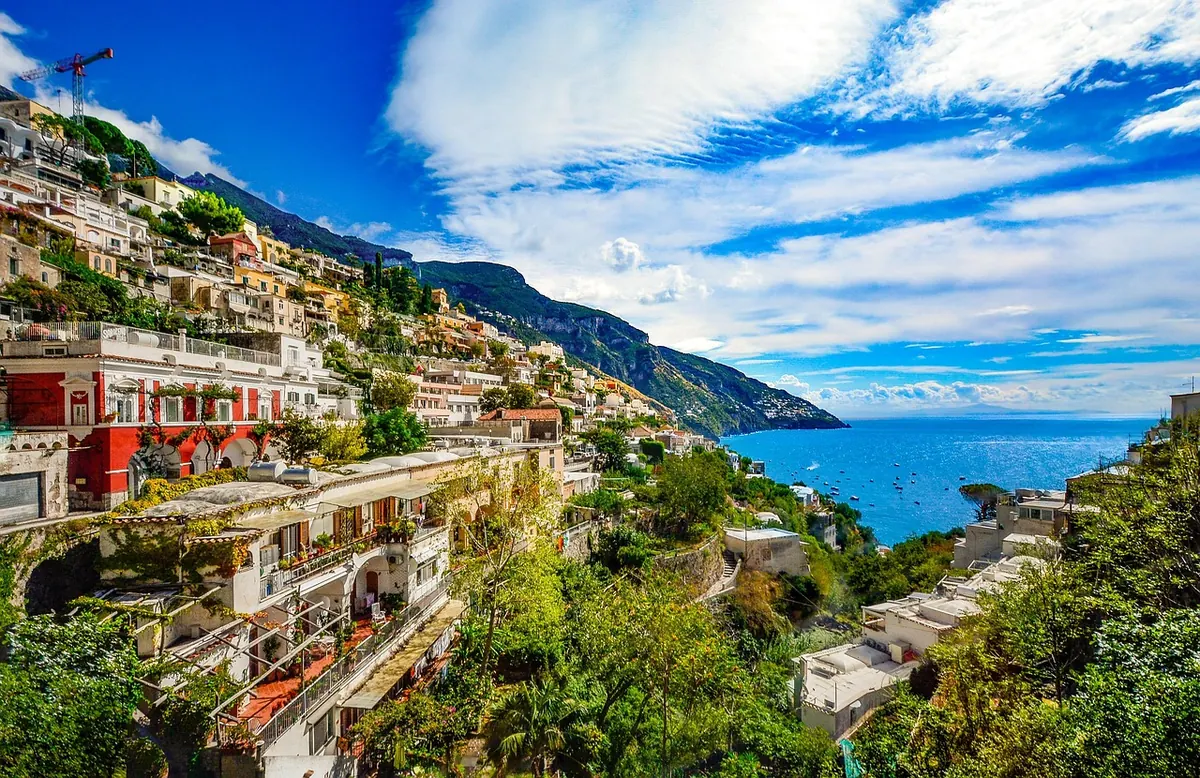
The rail pass has a strong pull. One card, dozens of countries, hop on and hop off as the mood takes you. That version of Europe exists, but it comes with conditions. Whether a pass saves you money comes down to three things: how fixed your itinerary is, how far you are travelling, and how early you are willing to book. Get those wrong and you may pay more than someone who simply bought a cheap advance ticket and never thought about a pass at all.
What a pass actually buys you
A Eurail or Interrail pass buys travel on participating national rail networks. It does not buy a seat on every train, and that distinction is where most budgets go wrong. On regional services you usually just board. On high-speed trains — think TGV, Eurostar, Frecciarossa, AVE, and many international ICE routes — a reservation is compulsory and is not included in the pass. Night trains almost always require one too, and they sell out.
Private mountain railways, cable cars, most city metros and buses, and ferries generally sit outside the pass, though some offer pass-holder discounts. Read the inclusions list for the specific pass you are considering rather than assuming the network logo means coverage.
Then there is the travel-day mechanic. A flexible pass with five travel days in a month lets you take as many trains as you like on each of those days. A single day with three connections costs the same as a single short hop. If your trip is built around a few long, sprawling travel days rather than daily short rides, that structure works in your favour.
When a pass genuinely pays off
Passes tend to win in a handful of recognisable situations:
- Three or more countries in one trip. Cross-border fares bought individually get expensive fast, and the pass smooths out the cost.
- Long distances. Paris to Berlin, Rome to Vienna, Amsterdam to Copenhagen — the longer the legs, the better a pass looks.
- Late planning. Advance fares are cheap; walk-up fares are not. If you decide your route next week, the pass often beats anything else available.
- Genuine flexibility. If you want to change plans twice during the trip, the value of not repricing everything is real, even if it is not printed on the card.
- Young or senior travellers, and pairs. Youth and senior discounts, and Saver options for two or more people travelling together, shift the arithmetic.
When point-to-point tickets win
If your itinerary is fixed and you book two to three months ahead, individual tickets usually beat a pass and they beat it comfortably. This is especially true inside a single country, where national operators sell their own advance fares and regional day tickets. Germany's regional day passes, Italy's regional trains, and Spain's slower services are all cheap enough that a pass adds nothing.
Short hops are another pass-killer. Four days of one-hour journeys rarely justify a pass. And do not ignore the competition: on some corridors a bus or a budget flight costs less than any rail option, pass included. That is not a reason to abandon trains, but it is a reason to compare before committing.
The reservation bill nobody counts
This is the number that turns a "cheaper" pass into a loss. Add up the reservations your route requires and see what the total looks like. Five high-speed legs plus one night train can add a meaningful amount on top of the pass price, and those fees are charged whether or not your pass was good value.
Where travellers get caught
- High-speed services in France, Spain and Italy, where pass-holder seats are limited and can sell out on busy dates.
- Eurostar and other cross-Channel or cross-border services, which need booking well ahead.
- Night trains, especially in summer and around holidays.
- Any train where you assumed "pass holder" meant "walk on".
Book reservations as soon as your dates are firm, even if the pass itself is already in your pocket. A pass with no seat on the train you want is not much help.
Matching the pass to your trip style
The right question is not "is a pass worth it?" but "which pass, for how many days?" A three-day pass used for three long journeys can be excellent value. The same pass used for three short city hops is an expensive souvenir. Continuous passes suit people moving every day; flexible passes suit people who want base camps and occasional long transfers. Single-country passes make sense when you are staying inside one network, and global passes make sense when you are not.
Also ask what kind of traveller you are. If you like arriving somewhere and staying four nights, count your actual travel days before buying anything — it is often fewer than you think.
How to run the numbers in fifteen minutes
- Sketch your route day by day, including the days you do not move.
- Look up current advance point-to-point prices for each leg on the operator's own website.
- Note which legs need reservations, and price those separately.
- Find the cheapest pass that covers your travel days, then add the reservation total to it.
- Compare the two figures. If they are close, buy the pass for flexibility. If the tickets are far cheaper, book the tickets.
- Add a buffer for changes if your plans are loose, and recheck a week later — fares move.
Before you buy
Confirm your eligibility first: passes aimed at European residents and passes aimed at visitors from outside Europe are different products with different rules, and buying the wrong one is an easy mistake. Activate and validate correctly, keep an offline copy of your pass and reservations, and know that seat reservations are separate purchases that may be non-refundable.
Prices, reservation rules and pass inclusions change regularly, so check the operator's own terms on the day you book rather than relying on last year's blog post — including this one. If a trip involves significant money, it is worth reading the refund and delay policies in full before you commit. That said, the basic logic holds: passes reward long distances, multiple countries and late decisions. Tickets reward fixed plans and early booking. Work out which one you are, and the choice makes itself.
Photo: Nuray / Pexels