The best time to visit a U.S. national park depends entirely on what you want out of it. July in Yellowstone means bison calves, full campgrounds, and roadwork delays. January in the same park means a snowcoach, steam curling off geysers, and almost nobody else around. Neither choice is wrong — but a trip built on the wrong expectation can feel like a disappointment instead of an adventure. Here is how the year actually breaks down across the park system, with the weather, crowds, closures, and wildlife details that decide whether a visit feels magical or merely crowded.
Spring (March–May): Waterfalls, Wildflowers, and Unpredictable Roads
Spring is the season of the desert and the low country. Death Valley, Joshua Tree, Saguaro, and Organ Pipe are at their most comfortable in March and early April, and in wet years the wildflower displays in the Mojave and Anza-Borrego can be extraordinary — though you should treat a "superbloom" as a bonus, not a plan. In the East, Great Smoky Mountains and Shenandoah fill with wildflowers from April into May, and Yosemite's waterfalls thunder as the snowpack melts, usually peaking in May and early June.
The catch is access. High-country roads stay closed well into spring: Tioga Pass in Yosemite, Trail Ridge Road in Rocky Mountain, and Glacier's Going-to-the-Sun Road often don't open fully until late May, June, or even July. Yellowstone opens its roads in stages from mid-April into late May. Expect mud, lingering snow at elevation, and trails that require traction devices. Crowds spike during spring break in the desert parks, then surge for good on Memorial Day weekend.
Summer (June–August): Everything Open, Everyone There
Summer is the only realistic window for Alaska and the high alpine. Denali, Glacier, North Cascades, and Mount Rainier's Paradise area come into their own from late June through early September. Days are long, ranger programs run daily, and every facility is staffed.
It is also hot, busy, and stormy in places people underestimate:
- Heat: In Grand Canyon, Zion, and Death Valley, start hikes before sunrise. The inner canyon can be dangerously hot even when the rim feels pleasant.
- Monsoon storms: In the Southwest and Rockies, July and August bring afternoon thunderstorms. Be off exposed ridgelines by early afternoon, and never enter a slot canyon when rain is forecast anywhere upstream — flash floods arrive from storms you never see.
- Insects: Alaska, the Yosemite high country, and northern lake country have serious mosquito seasons. Bring a head net and repellent.
- Reservations: Several parks have used timed-entry or vehicle reservation systems in recent summers. Check the specific park's website weeks ahead, not the morning of.
In-park lodges for summer often book up many months in advance, sometimes close to a year out. Campgrounds with reservations sell out within minutes of release.
Fall (September–November): The Best Overall Balance
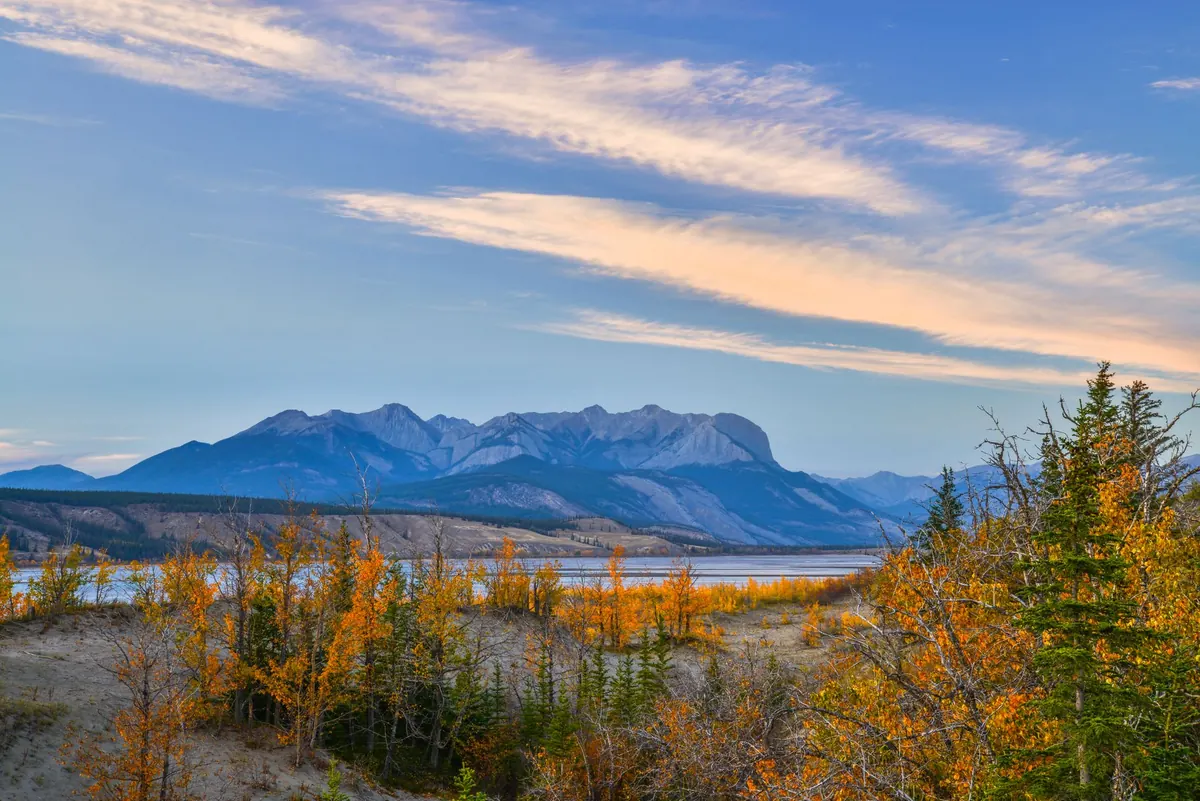
If you want one answer to "when should I go," it's fall. Crowds thin noticeably after Labor Day (though September weekends stay busy), temperatures moderate, and the light turns golden. Colorado's aspens peak in late September. Great Smoky Mountains and the Blue Ridge Parkway follow in mid-to-late October, with Acadia turning in late September through mid-October.
Wildlife watching is excellent. Elk bugle through the rut in Rocky Mountain and Cataloochee Valley, bears and bison stay active in Yellowstone before denning and winter, and sandhill cranes begin arriving at Bosque del Apache in November. Note that September and October are also prime mating season for elk and deer, so keep your distance from bulls — they are unpredictable and fast.
There is no single best month for the park system — only a best month for the trip you have in mind.
Watch the calendar for closures. Going-to-the-Sun Road typically closes for the season in October, most Yellowstone roads shut to vehicles in early November, and the Grand Canyon's North Rim usually closes in mid-October. All of these are weather dependent, so check road status the morning you drive.
Winter (December–February): Solitude, Snow, and a Shorter List
Winter narrows your options and rewards you for it. Desert and southern parks — Death Valley, Joshua Tree, Big Bend, Saguaro, Organ Pipe, and Everglades — are genuinely pleasant. In the Everglades, the dry season means fewer mosquitoes and better wildlife viewing, and manatees gather in warm springs.
Yellowstone runs guided snowcoach and snowmobile tours from roughly mid-December to mid-March, since most roads close to private vehicles. Book well ahead. Yosemite Valley stays open and is hauntingly quiet under snow, though storm closures are common. Elsewhere, expect shuttered visitor centers, closed campgrounds, and short daylight hours. Pack layers, traction devices, and a real winter emergency kit if you're driving mountain roads.
Month-by-Month at a Glance
- January: Southwest deserts; Yellowstone snowcoach season underway.
- February: Everglades, Big Bend, and snowshoeing in Rocky Mountain and Yosemite.
- March: Desert wildflowers begin in wet years; spring break crowds arrive.
- April: Smokies and Shenandoah blooms; Yellowstone roads open in stages.
- May: Yosemite waterfalls peak; Memorial Day launches high season.
- June: Alaska and high alpine open; Going-to-the-Sun Road often opens late in the month.
- July: Mountain wildflowers, Southwest monsoon storms, Alaska salmon runs and bears.
- August: Best high-country backpacking, hottest desert conditions, peak crowds.
- September: Elk rut, thinner crowds after Labor Day, early aspens.
- October: Peak color in the Southeast; many mountain roads close.
- November: Cranes at Bosque del Apache; North Rim and most Yellowstone roads close.
- December: Comfortable desert days; Yellowstone winter season starts.
Geography Matters More Than the Calendar
A generic seasonal guide only gets you so far, because the park system spans arctic tundra and subtropical swamp. In practice, the desert Southwest runs on an October-to-April season. The mountain West is a July-to-September destination for anything above treeline. Alaska and the Pacific Northwest cram their access into a short late-June-to-September window. The Southeast and Gulf Coast are best in spring and fall, with summer bringing heat, humidity, and hurricane season. Match the region first, then the month.
Practical Planning Notes
Reserve the hard-to-get pieces first — in-park lodging and popular campgrounds — then build the rest of the trip around those dates. Check the individual park's website for current alerts, road conditions, and any reservation requirements; conditions change faster than any guide can track. Arrive at trailheads and viewpoints before 8 a.m. or after 4 p.m. to dodge the day-trip crush, and use shuttle systems in Zion, Bryce Canyon, and the Grand Canyon rather than circling for parking.
Finally, respect the wildlife and the weather. Stay well back from animals, carry more water than feels necessary, and turn around when conditions deteriorate. The parks aren't going anywhere — but a poorly timed visit can cost you the experience you came for.
Photo: Nunzio Guerrera / Pexels